Halyna Kruk, ‘a woman with a heart this heavy cannot fly’

***

a woman with a heart this heavy cannot fly
like a leaf held to asphalt by a rock
like a page from a book disassembled into quotes . . .
a few minutes for meetings, a few snatched words for introductions
her eyes wide open like the door to her parents’ house
where all her childhood memories are kept in an old marshmallow tin
she says, ‘if not him, then no one will get them . . .’
the black butterfly of despair, the sharp smell of ether
who will revive her, return her to her passport photo
who will hold her thin, sobbing shoulders

the air raid siren lifts city birds into the air
but that heaviest thing in her doesn’t allow for flight


Translated by Ali Kinsella and Dzvinia Orlowsky from Halyna Kruk, Галина Крук: Стається і не перестає (A-Ba-Ba-Ha-La-Ma-Ha, 2024), p. 249.
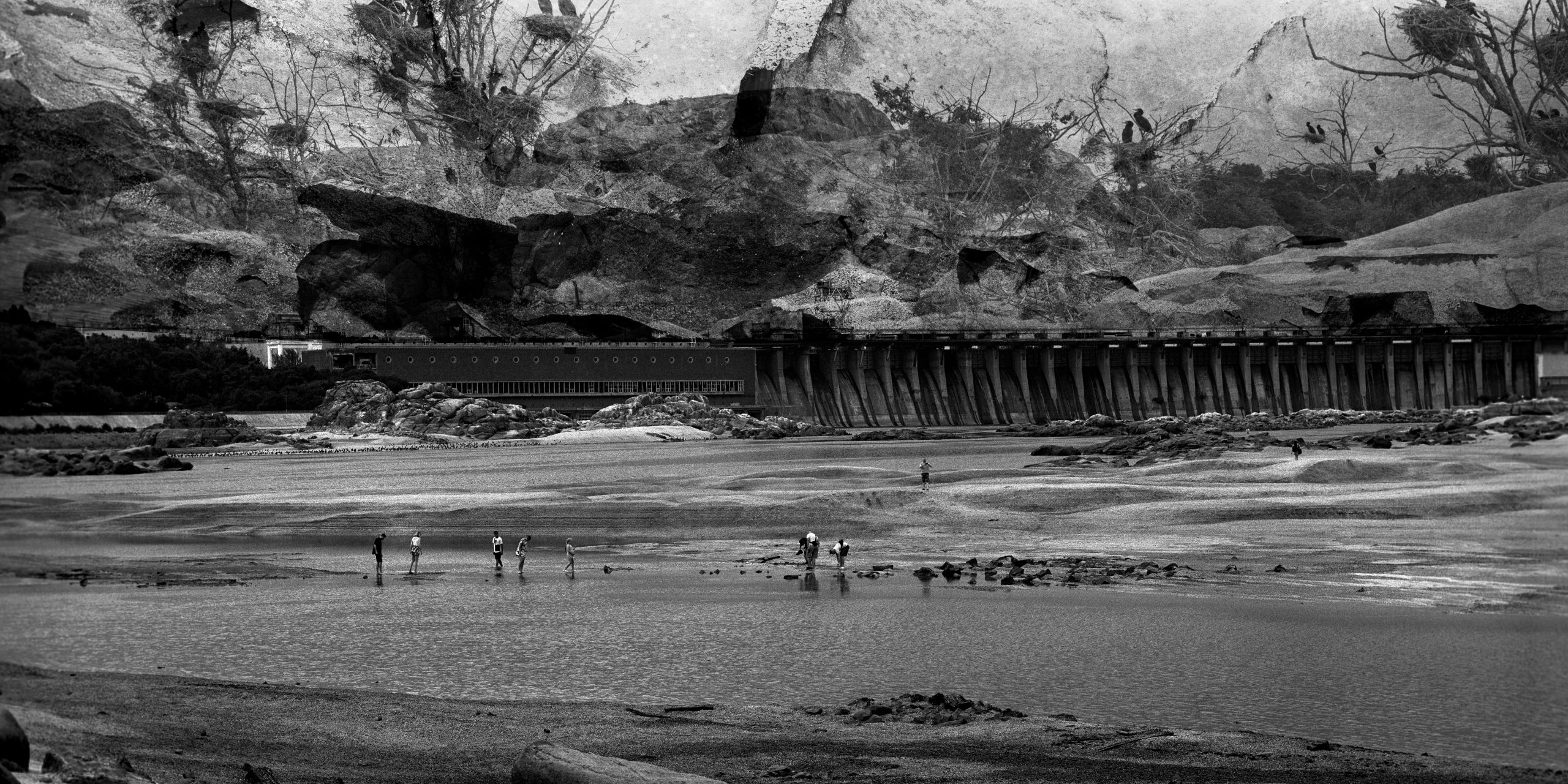
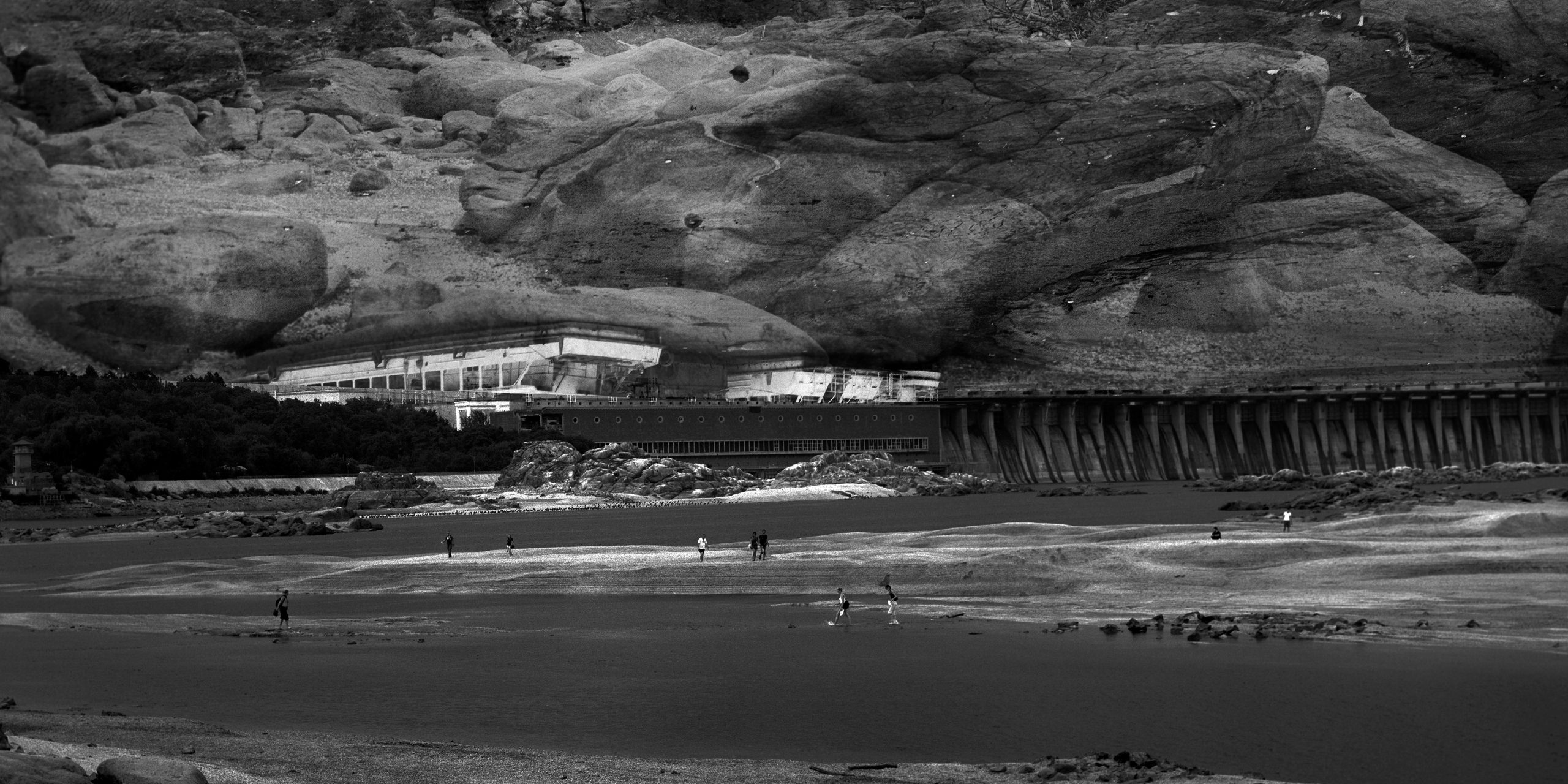
Cover Image for Legacies of Chornobyl

Legacies of Chornobyl

The explosion that destroyed the Chornobyl nuclear power plant on 26 April 1986 also reshaped political, ecological, and cultural landscapes around the world. This issue of the London Ukrainian Review marks the fortieth anniversary of the disaster and examines its evolving global impacts.

Sasha Dovzhyk
Cover Image for Nuclear Roulette: Serhii Plokhy in Conversation

Nuclear Roulette: Serhii Plokhy in Conversation

Author of The Nuclear Age, historian Serhii Plokhy, discusses how Chornobyl catalysed Ukrainian independence and reveals the nuclear industry’s structural vulnerabilities. The conversation explores how nuclear disasters transform politics across decades and geographies with a focus on the weaponisation of civilian nuclear infrastructure during Russia’s war in Ukraine.

Sasha Dovzhyk